
Eden Werner · 2 October 2026
Algorithms and Advisors Unite as Vocational Funding Expands Options for Tech-Savvy Students Navigating Global Job Shifts
Algorithms now handle large-scale data analysis on labor market trends while human advisors provide personalized support, and this combination has gained traction as vocational funding programs widen access for students focused on technology fields amid ongoing global employment changes.
Data from multiple regions shows vocational pathways in areas such as software development, cybersecurity, and data analytics have attracted increased enrollment since funding allocations rose in several countries during 2025 and into October 2026, when new budget cycles took effect.
Algorithmic Tools in Career Matching
Institutions have deployed machine learning systems that process employment statistics, skill requirements, and regional demand forecasts to generate pathway recommendations, and these platforms draw from sources including government labor databases to match students with vocational programs suited to shifting job markets where automation continues to reshape roles in manufacturing and services.
One study by the OECD highlighted how such systems reduced mismatch rates between graduate skills and employer needs by analyzing patterns across thousands of job postings, while researchers at various universities noted improved retention when students followed algorithm-suggested tracks that aligned with emerging sectors like renewable energy tech and digital logistics.
Human Advisors Complement Digital Insights
Advisors review algorithmic outputs and adjust plans based on individual circumstances such as prior experience, location constraints, and personal goals, creating a hybrid model that addresses limitations in purely automated suggestions. Observers note that this partnership helps students interpret complex data visualizations and explore options they might overlook when navigating alone through online portals.
Programs in Australia and Canada have integrated advisor sessions after initial algorithm assessments, and figures from national education departments indicate higher completion rates among participants who received both digital and in-person guidance compared to those using either resource separately.
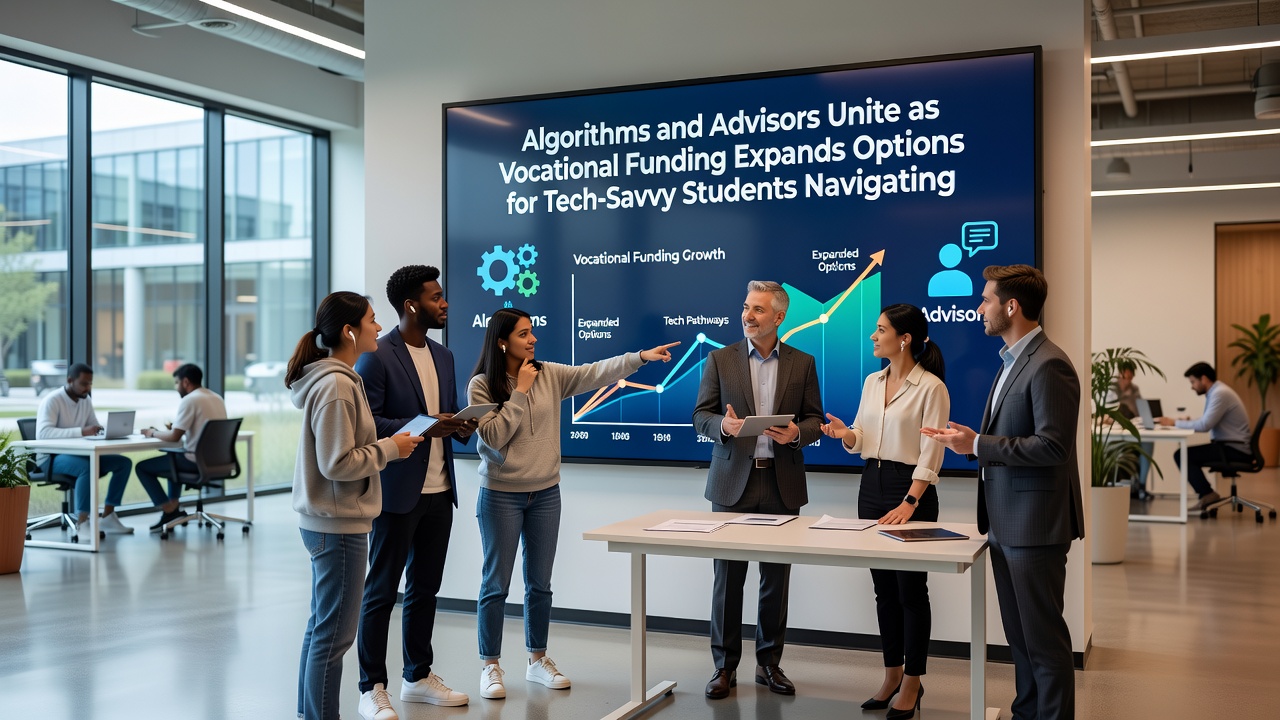
Expanded Vocational Funding Streams
Governments have increased grants and subsidies for technology-oriented vocational training, with the European Commission reporting additional allocations for short-cycle programs in coding and network administration that target workers displaced by global supply chain adjustments. In the United States, the Department of Labor expanded apprenticeships in information technology through partnerships with community colleges, and data released in late 2026 showed enrollment growth in these tracks exceeded projections by 18 percent in several states.
Funding criteria often prioritize tech-savvy applicants who demonstrate foundational digital literacy, and eligibility now extends to international students in select countries where enrollment numbers have risen alongside remote learning options that accommodate cross-border job market exploration.
Navigating Global Job Market Changes
Students use combined algorithmic forecasts and advisor consultations to identify resilient career areas, such as cloud infrastructure management and AI ethics compliance, where demand persists despite automation trends in routine coding tasks. Reports from Statistics Canada indicate that vocational graduates in these fields secured employment within six months at rates above the national average for general degree holders, and similar patterns appear in UK skills agency data covering digital trades.
Workshops organized by industry groups teach students to interpret global mobility statistics and remote work policies, while case examples show participants leveraging funding to obtain certifications that transfer across borders in regions experiencing labor shortages in fintech and health informatics.
Implementation Examples Across Regions
European vocational centers have piloted integrated platforms that link national funding databases directly to advisor dashboards, allowing real-time updates on available subsidies for tech modules, and participants report streamlined application processes that previously required separate submissions to multiple agencies. In Asia-Pacific nations, similar initiatives pair algorithm-generated job trend reports with local mentor networks to support students adapting to fluctuations in manufacturing automation and e-commerce expansion.
Academic reviews of these efforts reveal consistent themes: students benefit when funding covers both technical training and soft-skill development sessions guided by advisors, leading to broader preparedness for multinational workplaces where job descriptions evolve rapidly.
Conclusion
Vocational funding growth has coincided with wider adoption of algorithmic tools that feed into advisor-led planning, and this structure equips tech-oriented students to respond to worldwide employment transitions through targeted skill acquisition and informed decision-making supported by official labor statistics and program outcomes.