Eden Werner · 16 October 2026
Mentorship Networks Integrate Automated Tools Across Global Vocational STEM Pathways
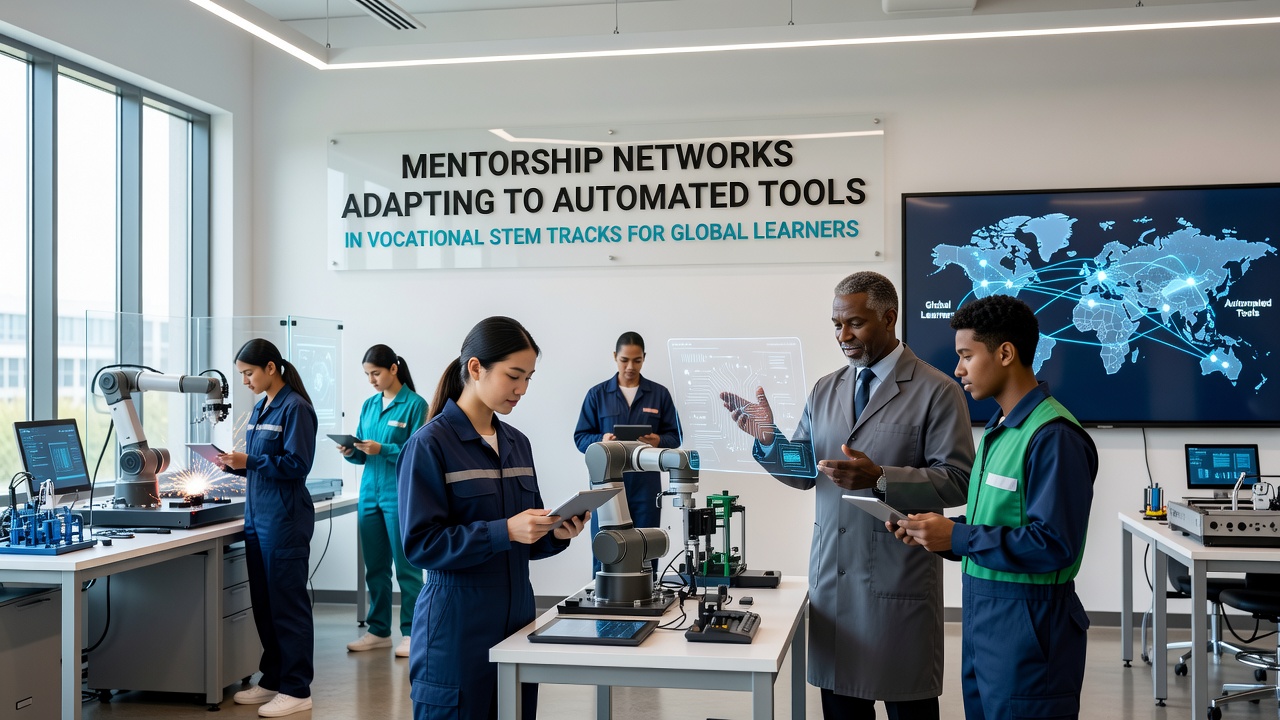
Vocational STEM tracks now rely on mentorship networks that blend human guidance with automated tools, and this shift has accelerated as global learners seek practical skills in engineering, data science, and related fields. Researchers at multiple institutions have documented how platforms combine scheduling algorithms with personalized learning analytics to match mentors and mentees across borders, while data from education ministries in several countries shows rising enrollment in these hybrid programs since 2024.
Expansion of Hybrid Mentorship Models
Automated tools handle initial assessments and progress tracking in many vocational programs, yet human mentors still oversee complex project work and career navigation, and observers note that this division of labor has become standard in institutions serving learners from Asia, Europe, and the Americas. In October 2026, reports from the OECD highlighted that over 60 percent of vocational STEM initiatives in member countries now incorporate some form of automated matching system, which reduces administrative time and allows mentors to focus on deeper skill development. Studies from Australian education authorities further indicate that these systems improve retention rates when paired with regular human check-ins.
Global learners benefit from time-zone-aware scheduling features that automated platforms provide, and this capability has proven especially useful for students balancing work and study across continents. Data indicates that networks using these tools report higher completion rates in certificate programs, particularly in fields like renewable energy technology and advanced manufacturing.
Regional Adaptations and Tool Integration
European vocational centers have adopted open-source platforms that integrate with national qualification frameworks, whereas North American programs often partner with private analytics firms to customize dashboards for STEM competencies. One study revealed that Canadian colleges using combined human and automated oversight saw measurable gains in cross-cultural communication skills among international cohorts. Researchers discovered similar patterns in Singapore and South Korea, where government-supported initiatives track learner outcomes through shared databases.
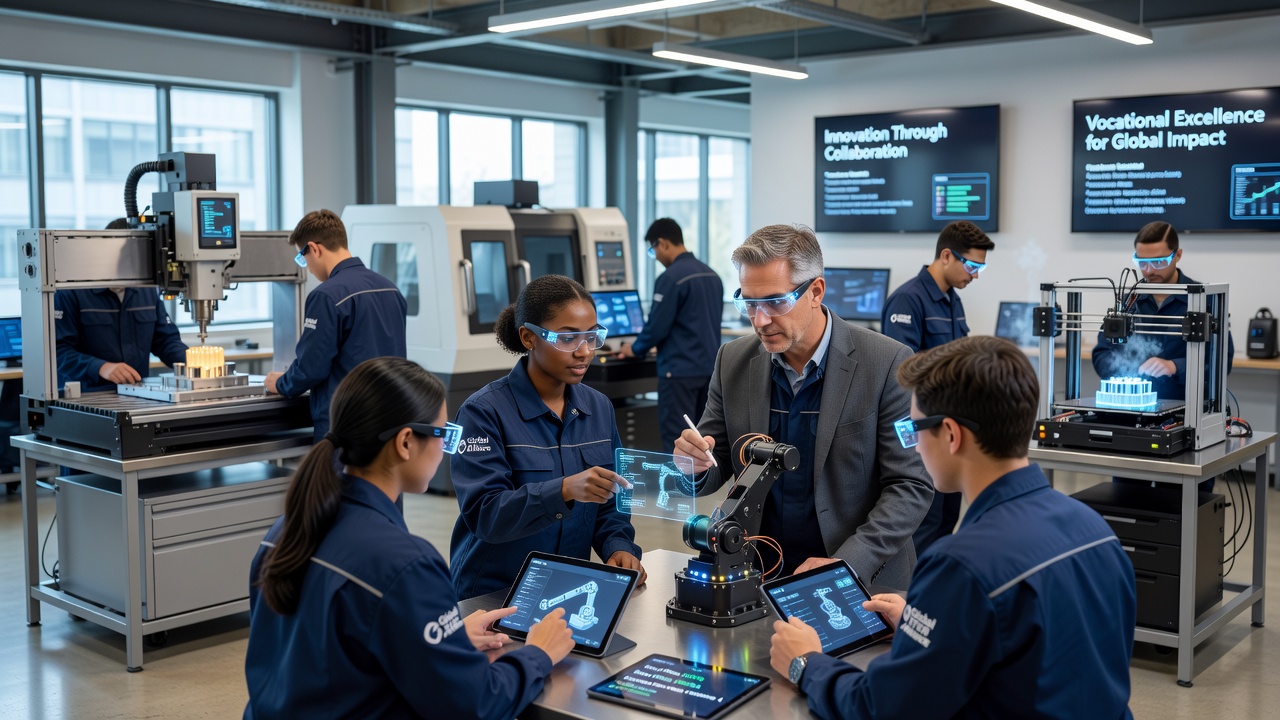
Those who have examined program logs note that automated feedback loops catch basic errors early, freeing mentors to address conceptual gaps during live sessions. Evidence suggests this layered approach maintains quality even as enrollment numbers climb, and figures from the World Bank education database confirm increased funding flows toward such integrated models in developing regions.
Challenges in Scaling Across Borders
Language processing tools help bridge communication gaps, but accuracy varies by technical vocabulary, and institutions continue to refine these systems through iterative testing. Observers note that cultural nuances in feedback styles still require human oversight, since automated suggestions sometimes miss context that mentors from the same region can provide. Training programs for mentors now include modules on interpreting AI-generated reports, and this preparation has become standard in many networks operating since mid-2025.
Privacy regulations differ by jurisdiction, which complicates data sharing across borders, yet collaborative frameworks established by multilateral education bodies have begun to standardize consent protocols. Experts tracking these developments report that compliance costs remain manageable when networks centralize certain administrative functions.
Future Directions for Vocational STEM Support
Continued investment in interoperable platforms is expected to expand access for learners in remote areas, and pilot projects scheduled for late 2026 aim to test real-time translation features within mentorship sessions. Data shows steady growth in partnerships between vocational providers and technology developers, while research indicates that outcomes improve most when automated tools serve as supplements rather than replacements. Those monitoring global trends expect further refinement of these networks as more countries align their vocational curricula with emerging industry needs.
Conclusion
Mentorship networks continue to adapt automated tools to support vocational STEM education for global learners, and the combination of algorithmic efficiency with human expertise has produced measurable gains in program reach and learner persistence. Ongoing data collection from diverse regions will shape refinements in the years ahead, as institutions balance technological capabilities with the relational elements that remain central to effective guidance.