Riley Albrecht · 2 September 2026
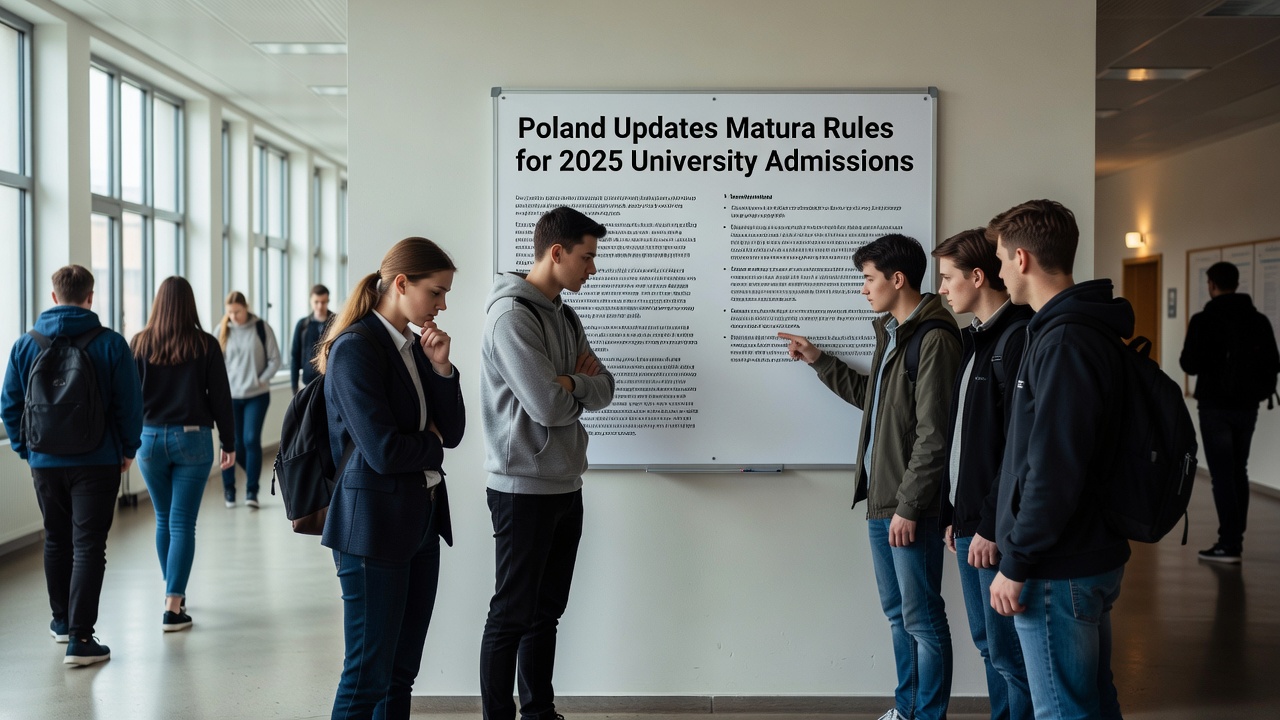
The Polish Ministry of Education has announced updates to national matura exam rules effective for 2025 university admissions. These revisions modernize assessments and better prepare students for higher education pathways. Officials stress alignment with current labor market demands and digital competencies.
Schools nationwide received implementation guidelines last month.
Key Changes to Exam Structure
Major modifications include an optional digital literacy module testing basic programming and data analysis skills. Mathematics sections now emphasize applied problems from finance and engineering fields. Oral foreign language components adjust scoring to reward fluency over rote memorization. An official online portal offers free practice tests and video tutorials. Passing thresholds remain stable but incorporate new weighting for elective subjects. Curriculum integration begins immediately in upper secondary grades to allow adequate preparation time. Regional training sessions for teachers address these modifications directly.
Additional emphasis falls on interdisciplinary projects submitted as part of the exam portfolio.
Impact on University Admissions
Polish universities will incorporate revised matura scores into 2025 applicant evaluations across most programs. Popular disciplines such as computer science and economics may see shifted applicant profiles due to the new digital component. Educational guidance services advise students to review updated requirements early and consult pathway advisors for personalized study plans. The reforms promote broader skill development expected to raise first-year retention rates. Equivalent qualification pathways for international applicants receive parallel adjustments in select institutions. Collaborative workshops between secondary schools and universities facilitate smooth transitions under the new framework. Long-term projections indicate improved graduate employability stemming from these targeted changes.
Stakeholders anticipate positive effects on overall educational quality and access equity.